Dust lightly with a puff after your shower — this DIY body powder leaves skin soft, fresh, and beautifully scented. There’s something wonderfully timeless about a soft puff of perfumed body powder . It’s more subtle than perfume, keeps skin silky, and carries a personal, intimate scent that lingers close to you. Best of all, you don’t need talc or complicated ingredients — you can make a talc-free body powder at home in minutes. In this guide, you’ll get: A from-scratch body dusting powder recipe (completely homemade) A baby powder upgrade recipe (transform a base you already have) 15+ scent blends you will love (from floral to cozy to citrus fresh) Pro tips on how to use, why to use, and how to make it silky and safe Why Use Perfuming Body Powder? Many people ask why bother with DIY perfumed body powder when sprays and perfumes exist. Here’s why: Soft, intimate fragrance : a veil of scent that stays close to skin Absorbs light moisture : perfect for...
Get link
Facebook
X
Pinterest
Email
Other Apps
What is Viscose Yarn? Understanding How It’s Made
Get link
Facebook
X
Pinterest
Email
Other Apps
Viscose yarn, often called rayon, is a semi-synthetic material that has gained popularity in the textile industry. Derived from natural materials like wood pulp, it offers a balance between natural fibers and synthetic alternatives. This article will explore what viscose yarn is, its production process, unique qualities, and why it’s a perfect choice for various applications.
Viscose is a type of rayon made from cellulose fibers extracted from wood pulp. It is considered a semi-synthetic material because it is derived from natural sources but undergoes significant chemical treatment. The result is a fiber that has a silky feel, high absorbency, and a beautiful drape, making it a popular choice in the textile industry.
The History of Viscose
Viscose was first manufactured in the late 19th century as an alternative to silk. The first patent for the production of artificial silk was granted in 1855 to George Audemars, but it wasn't until 1892 that British scientists Charles Cross, Edward Bevan, and Clayton Beadle developed the modern viscose process. By the early 20th century, viscose rayon became widely available, revolutionizing the textile industry by offering an affordable, high-quality alternative to silk.
The Manufacturing Process of Viscose Yarn
The production process of viscose involves several steps that transform raw material into soft, flexible yarn:
Cellulose Extraction – Wood chips from trees such as spruce, pine, and beech are processed to extract pure cellulose fibers.
Alkaline Treatment – The cellulose is treated with sodium hydroxide (caustic soda) to form alkali cellulose.
Xanthation Process – The alkali cellulose reacts with carbon disulfide to create cellulose xanthate, a viscous organic liquid.
Dissolution – The cellulose xanthate is dissolved in a diluted caustic soda solution to form a thick viscose solution.
Spinning – This solution is extruded through spinnerets into an acid bath, regenerating the cellulose fibers into thread form.
Final Processing – The fibers are washed, stretched, and cut into desired lengths, resulting in the finished product ready for use.
Step-by-Step Production Process
Step
Process
Key Elements
1
Cellulose Extraction
Wood chips from spruce, pine, and beech trees are processed to extract pure cellulose fibers.
2
Alkaline Treatment
Sodium hydroxide (caustic soda) is used to create alkali cellulose.
3
Xanthation Process
Alkali cellulose reacts with carbon disulfide, forming cellulose xanthate, a viscous organic liquid.
4
Dissolution
The xanthate dissolves in a diluted caustic soda solution, creating a thick viscose solution.
5
Spinning
The solution is extruded through spinnerets into an acid bath, regenerating cellulose fibers.
6
Final Processing
Fibers are washed, stretched, and cut, creating the final product ready for use.
Machinery and Timeframes in Production
Pulper Machines: Used for breaking down wood pulp into a usable cellulose fiber.
Mixing Tanks: Combine cellulose with chemicals to create a homogeneous mixture.
Aging Chambers: The viscose solution rests for several hours to achieve the right consistency.
Spinnerets: These specialized nozzles extrude the viscose solution into fine fibers.
Drying and Curing Machines: Used in the final stage to strengthen and stabilize the fiber.
The entire manufacturing process can take anywhere from a few days to a couple of weeks, depending on the desired quality and end use of the fabric.
Unique Qualities of Viscose Yarn
Viscose fiber is known for several desirable characteristics:
Soft and Silky Appearance – Viscose fabric closely resembles artificial silk due to its smooth and luxurious texture.
High Absorbency – With excellent moisture regain properties, it keeps the wearer cool and comfortable.
Beautiful Drape – The fabric flows effortlessly, making it ideal for elegant clothing like dresses and blouses.
Breathability – Its porous structure allows for better air circulation, making it perfect for warm climates.
Vibrant Colors – The fabric absorbs dyes well, resulting in rich and deep colors, even in dark colors.
Affordable Alternative – Compared to pure natural fibers like cotton fibers or silk, viscose is more cost-effective while maintaining a similar aesthetic appeal.
Quality
Description
Soft & Silky
Resembles artificial silk due to its smooth texture.
High Absorbency
Excellent moisture regain properties for comfort.
Beautiful Drape
Flows effortlessly, perfect for elegant clothing.
Breathable
Porous structure allows for better air circulation.
Vibrant Colors
Absorbs dyes well, providing deep and rich colors.
Affordable Alternative
Less expensive than silk but offers similar aesthetic appeal.
Environmental Impact and Sustainability of Viscose Production
While viscose comes from renewable resources, its production process raises some environmental concerns:
Water Use and Energy Use – The process requires a large amount of water and energy, contributing to its environmental footprint.
Chemical Treatment – Harmful substances like carbon disulfide and caustic soda are used, leading to pollution risks if not properly managed.
Deforestation – As a plant fiber, viscose relies on wood pulp, leading to concerns over sustainable sourcing from natural resources.
Sustainable Alternatives
Eco-conscious brands are now adopting sustainable fabrics like modal and lyocell, which are improved versions of viscose with less environmental impact. These alternatives use a closed-loop system that recycles water and chemicals. Brands such as Lenzing’s TENCEL™ have introduced eco-friendly viscose materials.
Sustainable Alternative
Benefits
Lyocell (TENCEL™)
Uses a closed-loop system to recycle water and chemicals.
Modal
Requires less water and chemicals, making it more eco-friendly.
Bamboo Viscose
Made from fast-growing bamboo, reducing deforestation impact.
Common Uses of Viscose Yarn in the Textile Industry
Viscose fabric is widely used in various sectors, including:
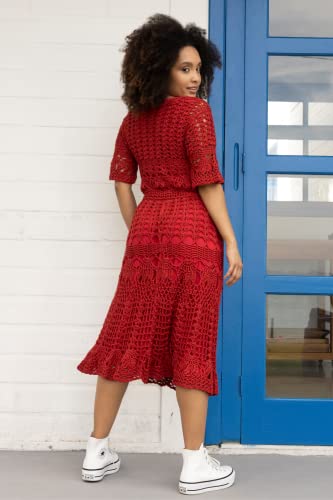
Fashion Industry – Viscose thread is found in tops, dresses, trousers, and skirts.
Home Textiles – Used in bedding, curtains, upholstery, and even the manufacture of sponges.
Medical Textiles – Some surgical textiles and wipes use viscose due to its high absorbency.
Blended Fabrics – Often combined with cotton, polyester yarns, and metallic threads for improved durability and texture.
Cable Knit Jumpers – Offers softness and elasticity, making it beginner-friendly kits for knitting projects.
Industry
Application
Fashion
Dresses, tops, trousers, skirts, and activewear.
Home Textiles
Bedding, curtains, upholstery, and the manufacture of sponges.
Medical Textiles
Some surgical textiles and wipes due to high absorbency.
Blended Fabrics
Combined with cotton, polyester, and metallic threads for durability.
Knitwear
Used in soft yarn for sweaters, scarves, and baby clothes.
Comparison with Other Fibers
Property
Viscose
Cotton
Polyester
Silk
Texture
Soft, silky
Soft, breathable
Smooth, synthetic
Luxurious, natural
Absorbency
High
High
Low
Moderate
Durability
Moderate
High
Very high
Moderate
Sustainability
Moderate
Renewable but water-intensive
Low, made from petroleum
High but expensive
Future of Viscose
The textile industry is innovating to make viscose more sustainable. Research is focused on:
Bio-based solvents to reduce chemical waste.
Better tree management practices to prevent deforestation.
Improved recycling techniques for reusing viscose fibers.
DIY Uses of Viscose Yarn
For craft lovers, viscose is a great material for:
Knitting & Crochet – Lightweight scarves, sweaters, and baby clothes.
Sewing Projects – Flowy dresses, skirts, and pajamas.
Home Décor – Cushion covers and table runners.
How to Choose the Best Quality Viscose Products
When selecting viscose garments, consider these factors:
Yarn Label – Always check the label for a carefully selected mix of fibers to ensure good quality.
Fabric Weight & Drape – Lighter viscose fabric has a more beautiful drape, while heavier versions are better for structured garments.
Washing Machine Care – Viscose is delicate, so washing in cold water is recommended to maintain its shape.
Return Policy & Privacy Policy – If shopping online, ensure the retailer has a reliable return policy in case the fabric doesn’t meet your expectations.
Why Viscose is a Popular Choice in Recent Years
Viscose production has evolved to meet the demands of consumers looking for comfortable, stylish, and affordable clothing. With its unique form of wood cellulose acetate, viscose has become more common in the fashion world, providing a balance between natural fibers and synthetic fibers. The huge demand for viscose is driven by its ability to offer the best results in terms of feel, appearance, and versatility.
International Business and Shipping of Viscose Products
For those looking to buy viscose material internationally, various manufacturers offer international shipping. European orders typically arrive within 3-5 business days, while shipping times to the United States, South Korea, Cape Verde, St. Kitts & Nevis, and St. Vincent may vary based on the supplier’s strong network of logistics.
Viscose Yarn - Silk Like Fabric
Viscose yarn is a perfect choice for those seeking a fabric with a silky feel, beautiful drape, and vibrant color retention. As a semi-synthetic material, it bridges the gap between natural yarn and man-made fibers, offering a versatile option for the textile industry. While it has environmental concerns, more sustainable practices in viscose production are emerging, making it a responsible and stylish choice for consumers.
Whether you’re looking for soft yarn for a cable knit jumper or sustainable fabrics for elegant clothing, viscose remains a reliable and aesthetically appealing option.
Note: This post contain
affiliate links. If you purchase through these links, I earn a
small commission at no extra cost to you.
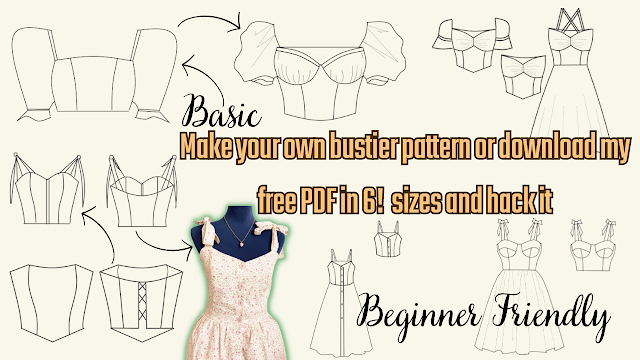
Are you ready to create your own bustier pattern? Look no further, because I've got you covered! In this tutorial, I will show you how to create your own basic bustier pattern or download my free printable PDF pattern in 6 sizes and hack it into 8 different styles, including a bustier with cups, milkmaid top, bustier with sleeves or without sleeves, bustier dress, and more. This tutorial is perfect for beginners, and I will guide you step-by-step on how to resize the pattern and add perfect sleeves. With this video, you can easily create your own custom-made bustier that fits you perfectly! But wait, there's more! Not only will you get access to my free PDF pattern, but you can also share it with your sewing friends. It's easy to download and print, and you can start creating your own bustier right away. So, don't hesitate to watch the whole video and start creating your own unique bustier pattern. And if you like this video, please give it a thumbs up and subscribe to ...
Looking for a quick and easy sewing project that's perfect for beginners? Look no further than my latest tutorial on how to sew a bralette top! This bralette top is made using fabric scraps, so it's not only budget-friendly, but also sustainable. Plus, I'm giving away a free printable PDF pattern that comes in all sizes, so you can easily make this top for yourself or as a gift for a friend. In my next post, I'll be sharing a video tutorial on how to use my free sewing PDF pattern, including how to resize it, hack it, and get creative with different variations. So make sure to subscribe to my channel and stay tuned for that! But for now, let's focus on making this super easy bralette top. My step-by-step tutorial includes detailed instructions and photos to guide you through every step of the process. And if you get stuck, don't worry - I'm always here to answer any questions you may have. So what are you waiting for? Download the free printable PDF patter...
Sewing a Backless Halter Top: An Easy and Eco-Friendly DIY Project Summer is around the corner, and what better way to prepare for the warm weather than by sewing your own backless halter top? This DIY project is perfect for beginners, as it's easy to make and requires only a few fabric scraps. In this tutorial, you will learn how to sew a stylish and comfortable backless halter top using your own measurements and a free printable PDF pattern. The pattern is designed to be adjustable, so you can customize it to your exact size. The best part of this project is that it's not only fun and easy, but it's also eco-friendly. You can use fabric scraps or old clothes that you no longer wear, and turn them into a beautiful and functional piece of clothing. To get started, you will need the following supplies: Fabric scraps or old clothes Ruler Scissors Sewing machine Pins Free printable PDF pattern (downloadable from the blog post) Step-by-Step Tutorial: Download and print the PDF ...






Comments
Post a Comment
Hello !